
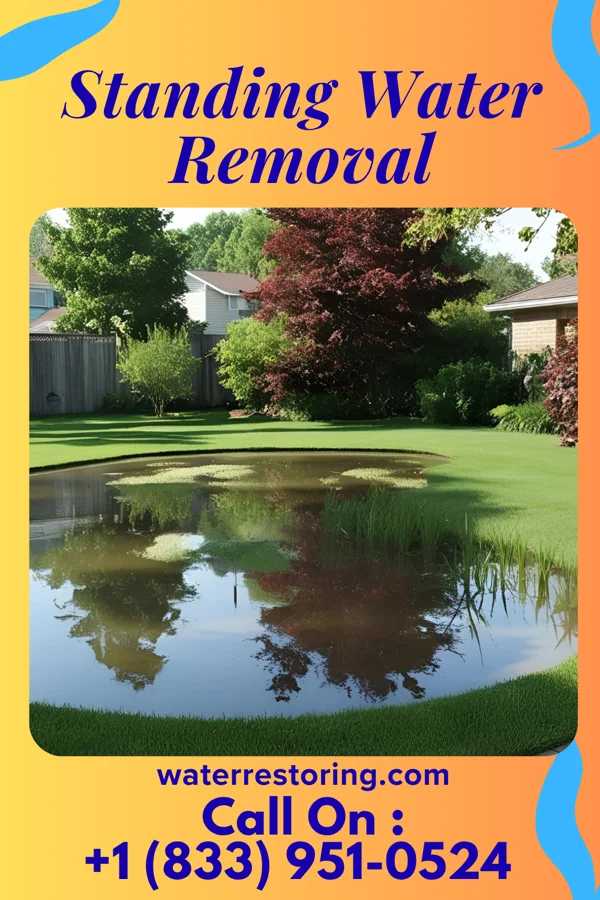
Why Toksook Bay Sees Standing Water Often
The pattern in Toksook Bay is consistent. In Toksook Bay, Alaska, the primary water damage cause is often related to coastal flooding due to rising sea levels and storm surges, which can quickly inundate homes and infrastructure. Additionally, thawing permafrost and melting snow during spring thaw contribute to localized flooding and water infiltration. drives most of the emergency restoration calls we get. A close second is Secondary causes include rainwater seepage through weakened foundations, plumbing leaks from aging infrastructure, and wastewater backups from failing septic systems. These issues are exacerbated by the region's remote location and limited access to emergency services..
Toksook Bay's coastal location and changing climate patterns make it particularly vulnerable to water damage. Increased frequency of extreme weather events and permafrost thaw create ongoing risks for residents and property owners.
Toksook Bay's coastal location and changing climate patterns make it particularly vulnerable to water damage. Increased frequency of extreme weather events and permafrost thaw create ongoing risks for residents and property owners. The dominant local driver is In Toksook Bay, Alaska, the primary water damage cause is often related to coastal flooding due to rising sea levels and storm surges, which can quickly inundate homes and infrastructure. Additionally, thawing permafrost and melting snow during spring thaw contribute to localized flooding and water infiltration., with Secondary causes include rainwater seepage through weakened foundations, plumbing leaks from aging infrastructure, and wastewater backups from failing septic systems. These issues are exacerbated by the region's remote location and limited access to emergency services. showing up as the next most common cause. Damage builds in stages. Spread. Absorption. Microbial growth. Structural compromise. Every stage you pass through adds to the final bill.
For public guidance on the health effects of mold after prolonged water exposure, see the EPA mold and health page.