
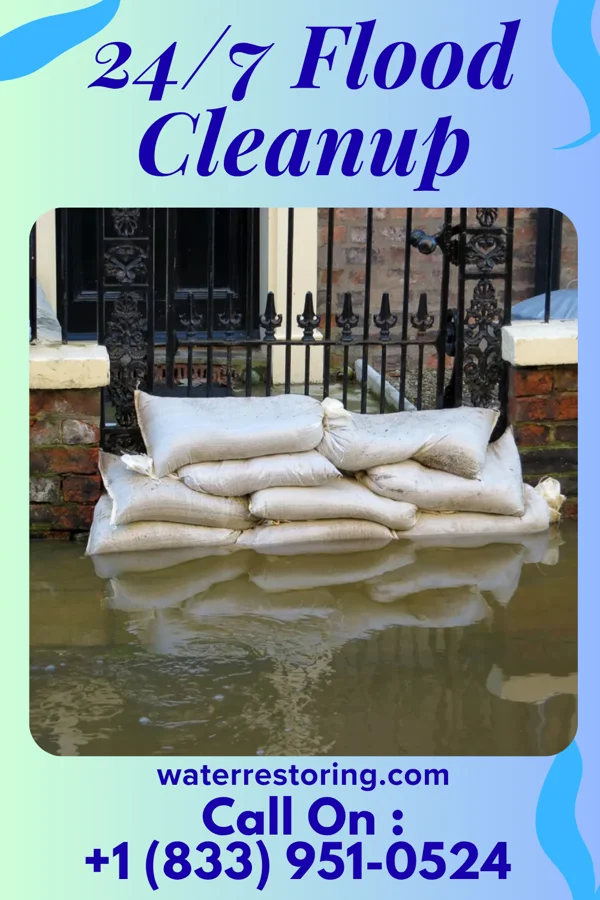
Common 24/7 Flood Triggers in Toksook Bay
Most 24/7 flood cleanup calls in Toksook Bay come from permafrost thaw and snowmelt flooding. A close second is ice dam formation and glacial runoff. If you know what is about to happen, the decisions during the first 48 hours get a lot easier.
Toksook Bay experiences significant flood risk due to its proximity to the Yukon River and the thawing of permafrost, which leads to ground instability. The region's subarctic climate brings heavy snowfall and rapid spring thaw, increasing the likelihood of flooding.
Most 24/7 flood cleanup calls in Toksook Bay come from permafrost thaw and snowmelt flooding. Running a close second is ice dam formation and glacial runoff. Local mold risk: Mold can begin to grow within 72 hours of flooding in Toksook Bay homes, especially in wooden structures and insulation. Prompt water extraction and drying are critical to prevent long-term damage and health risks.
For public guidance on the health effects of mold after prolonged water exposure, see the EPA mold and health page.